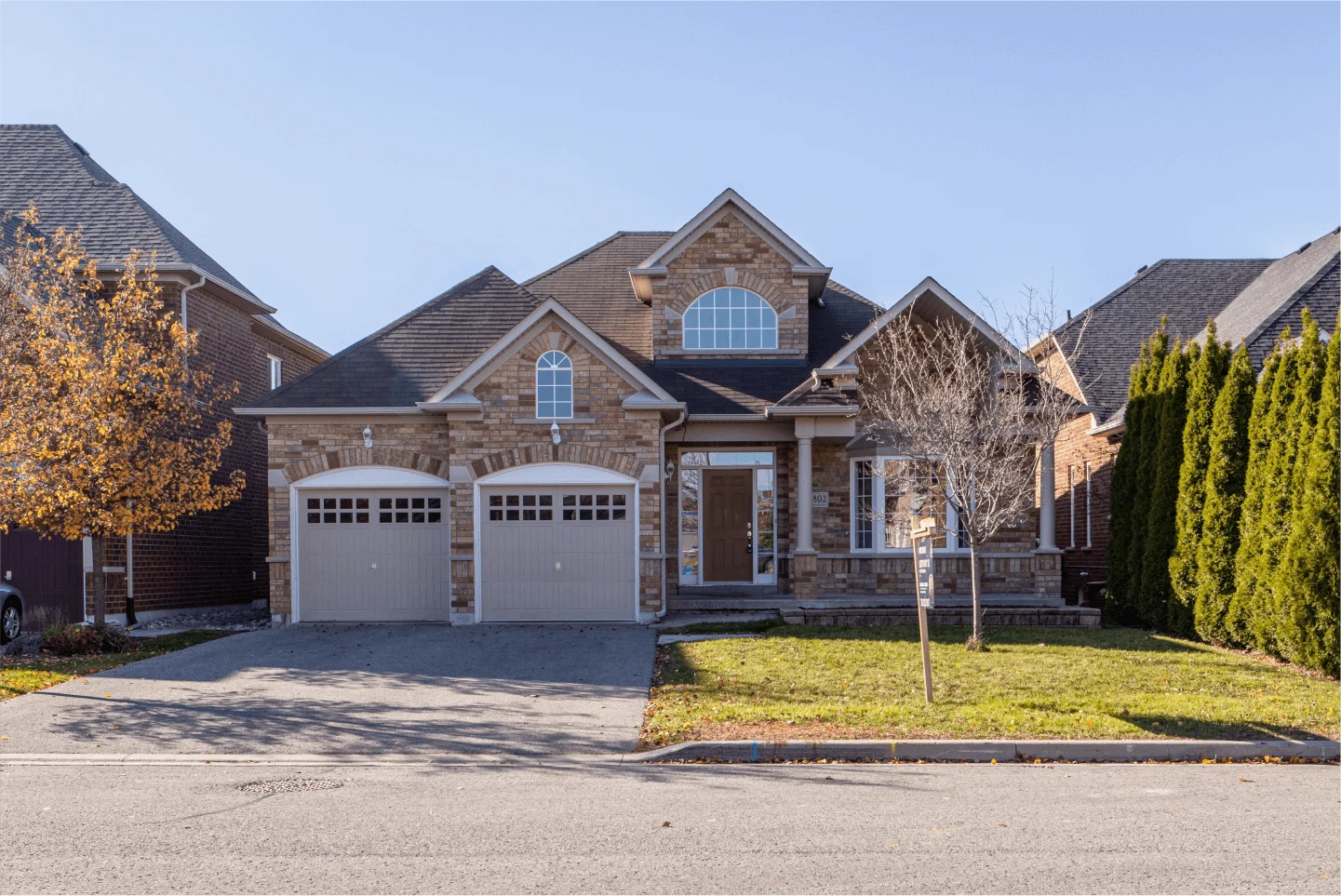
Thinking about buying a home? If so, you may have heard the common belief that you need to make a 20% down payment to secure a mortgage. This idea can be intimidating and discourage many potential homeowners from pursuing their dreams. The good news is that this myth is just that—a myth. Let's explore why the 20% down payment requirement is not a hard-and-fast rule and how you can navigate your path to homeownership with confidence.
First, let’s clarify what a down payment really is. A down payment is the amount of money you pay upfront when purchasing a home. This money is subtracted from the total purchase price, and the rest is financed through a mortgage. While a larger down payment can lower your monthly payments and reduce your overall loan amount, it is not the only option available.
Many people believe that if they do not have 20% saved up, they should not even start looking for a home. This belief can keep you in a renting cycle longer than necessary. In reality, there are many financing options out there that require far less than a 20% down payment. Some loan programs allow for down payments as low as 3%, or even 0% in certain cases.
FHA loans, for instance, are designed to help first-time homebuyers enter the market. With these loans, you can put as little as 3.5% down, making homeownership more accessible. Similarly, VA loans offer 0% down payments for eligible veterans and service members, while USDA loans provide financing options for rural homebuyers with low to moderate incomes, also requiring no down payment.
Understanding the various options available is key to demystifying the myth of the 20% down payment. When you consider the total costs involved in buying a home—such as closing costs, home inspections, and moving expenses—it may seem overwhelming to save a large down payment. However, with the right approach and knowledge, you can find a way to make homeownership a reality.
One important factor to consider is that when you put down less than 20%, you may be required to pay private mortgage insurance (PMI). PMI protects the lender in case you default on your mortgage. While this may seem like an additional expense, it is often less than you think. Additionally, PMI can be canceled once you build enough equity in your home, typically when your loan balance is 80% of the home’s original value.
When exploring your mortgage options, it is essential to assess your financial situation. Factors such as your credit score, income, and debt-to-income ratio play a significant role in determining what type of mortgage you qualify for. A good credit score can help you secure a lower interest rate, which could save you money in the long run. If your credit score needs improvement, consider taking steps to boost it before you apply for a mortgage.
Another aspect to consider is the importance of budgeting. Understand your monthly expenses and how much you can comfortably afford to pay toward a mortgage each month. Use this information to guide your home search. Remember that homeownership comes with added expenses, such as property taxes, insurance, and maintenance costs. Being financially prepared will help you make informed decisions as you navigate the homebuying process.
It’s also crucial to think about your long-term plans. Are you looking for a starter home, or do you intend to stay in your first home for many years? This decision can influence how much you want to put down. If you plan to move within a few years, a lower down payment may make sense, as it allows you to preserve your cash for future opportunities.
Another option to consider is seeking assistance through down payment assistance programs. Many states and local governments offer programs designed to help first-time homebuyers cover their down payments. These programs may provide grants, low-interest loans, or even forgivable loans, making homeownership more achievable.
As you consider your path to homeownership, it may be helpful to connect with a mortgage professional. A knowledgeable mortgage loan officer can help you assess your unique situation, explain the various options available, and guide you through the application process. They can also help you understand the implications of your choices, ensuring you feel confident every step of the way.
It’s essential to remember that the journey to homeownership is not the same for everyone. Each person’s financial situation is unique, and the right path for you may differ from someone else's. By taking the time to educate yourself about your options and seeking guidance from trusted professionals, you can make informed decisions that align with your goals.
So, if you’re ready to take the first step toward owning your dream home, don’t let the myth of a 20% down payment hold you back. Reach out to discuss your specific needs and explore the possibilities available to you. Your path to homeownership is waiting, and we’re here to help you navigate it with ease.
